
2021 · TU Delft
PhD in Computer Graphics
Post-production image and video editing, realistic content generation and virtual exposure.
Image processingC++OpenGL
I research, design, and build the proof that a stuck question can be answered — whatever it hides in: image, signal, loose text, legacy systems. Whoever’s starting out reaches what they couldn’t before; the expert sees what always took too long to find.

Report-first
“Which report do you want?”
Only returns variations of what already exists.
Decision-first
“What do you need to decide but can’t see?”
Opens questions nobody had a way to ask before.
01 The idea behind the work
At TU Delft, every edit to an image or video cost hours of manual work — and when trying costs hours, nobody tries twenty times. So I turned those experiments into simple, real-time controls on ordinary hardware.
Data is the same: the information rarely arrives in a table, and days of analysis is too expensive — so some questions are never asked. The hard part is never writing the code — it’s seeing which question is stuck, and why. Sometimes that alone solves it. When it doesn’t, I decide the path and build the proof it works.
The instrument decides what gets perceived.
Change the instrument and the same data says something else.
02 Different formats of the same problem
Chasing data that doesn’t fit in a table took me through every format it hides in. Different domains, one instinct: make the invisible perceptible, and the expensive cheap.

2020 — Now
Appus HR
Modeling and optimizing databases, pipelines, visualization and context engineering for people analytics.
PythonPostgreSQLMySQLMachine LearningDatavizLLMsLooker

2024 — 2026
Atitus Education
Taught databases, database optimization and computer graphics. Also designed the course plans.
PythonOracleSQLiteOpenCVOpenGL

2016 — 2020
TU Delft
Real-time optimization algorithms for editing image and video — computational photography.
MATLABC++OpenGLOpenCV

2015 — 2016
Pmweb
Web services and data integration for a hotel booking engine and PMSs.
C#MVCSQL ServerETLDataviz

2010 — 2015
Hewlett-Packard R&D
Web ERP and business intelligence for R&D finance and management operations.
C#ASP.NETSQL ServerBusiness Intelligence

2008 — 2010
PUCRS
Web standards and Web 2.0 — courses and talks on emerging tech.
HTMLCSSJavaScriptAjax
03 Education
2021 · TU Delft
Post-production image and video editing, realistic content generation and virtual exposure.
Image processingC++OpenGL

2015 · PUCRS
People and group re-identification using color descriptors and soft-biometric attributes.
Computer visionC++OpenCV
2012 · PUCRS
Multimedia sound generation based on Newton’s method for equation solving.
JavaMIDIOctave
04 Making expensive things cheap
Exposure, motion and light — each paper turned something that cost hours of manual work into a real-time control anyone could use. All publications & projects
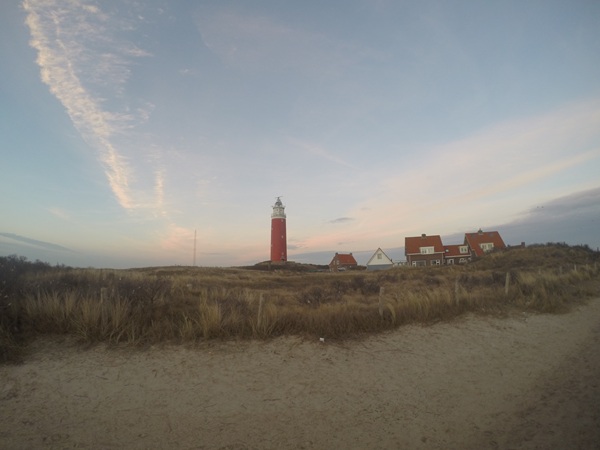
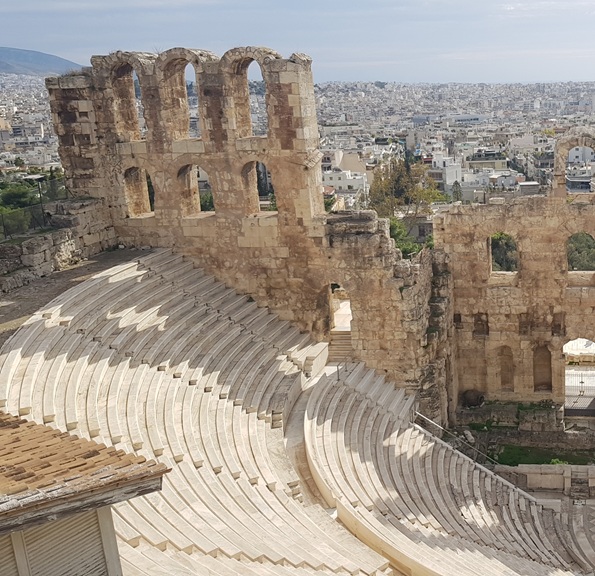
Life, not a footnote
Same track, different headphones. Same place, different lens.


Say hello
If your team stops at the easy questions because the good ones cost too much, we probably have something to talk about.